
Articles: Understanding Prison Overcrowding in the Philippines
Stay informed with articles highlighting the realities of overcrowded prisons and the need for meaningful reform.

This article originally appeared on UN News. A more humane approach to dealing with people accused of breaking the law in the Philippines is helping relieve overcrowding in one of the world’s most congested prison systems. At the Manila City Jail in the Philippines capital, prisoners lie in neat rows as they demonstrate how they sleep every night. In male dormitory number 4 most do not have a mattress or even a bed; indeed it’s not even possible due to a lack of space to lie down on your back.

While congestion in Philippine jails has been decreasing in the last eight years, it remains a systemic problem resulting to numerous humanitarian consequences. In the 426 jails managed by the Bureau of Jail Management and Penology (BJMP), the average congestion rate as of May 2025 is 296% — a decrease of 26% from the average recorded in May 2024. Despite the improvement, jails are still overpopulated.
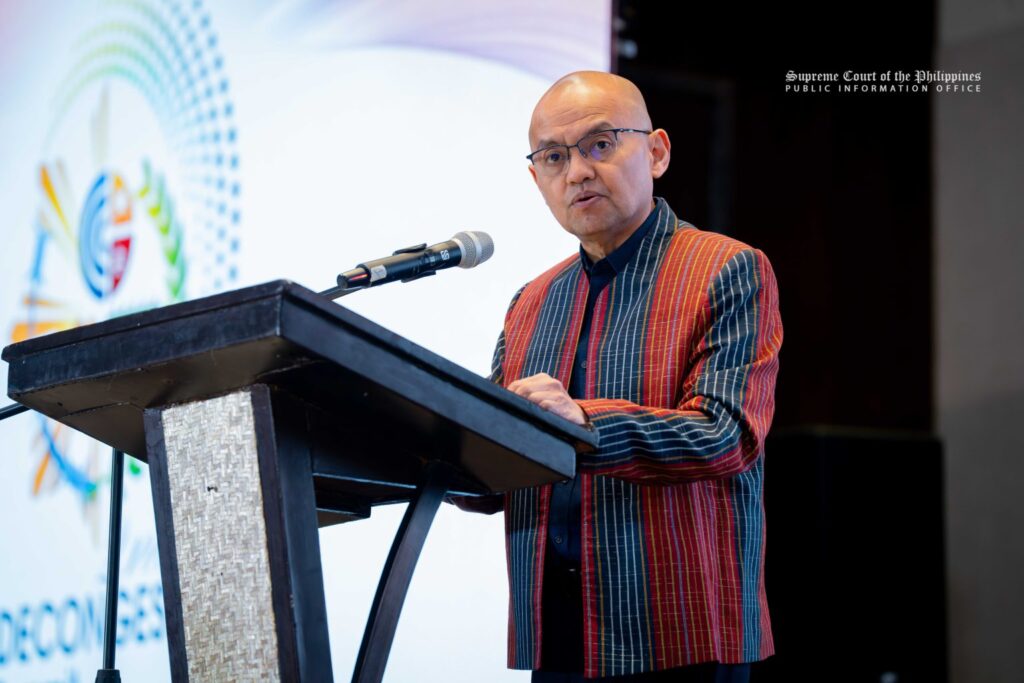
Supreme Court (SC) Senior Associate Justice Marvic M.V.F. Leonen discusses the proposed Writ of Kalayaan during the Second National Decongestion Summit on January 23, 2026, at the Manila Hotel. The extraordinary legal remedy would allow a court to issue a continuing writ and compel the executive and the legislative to disclose what they are doing to make the conditions of the jail more humane.
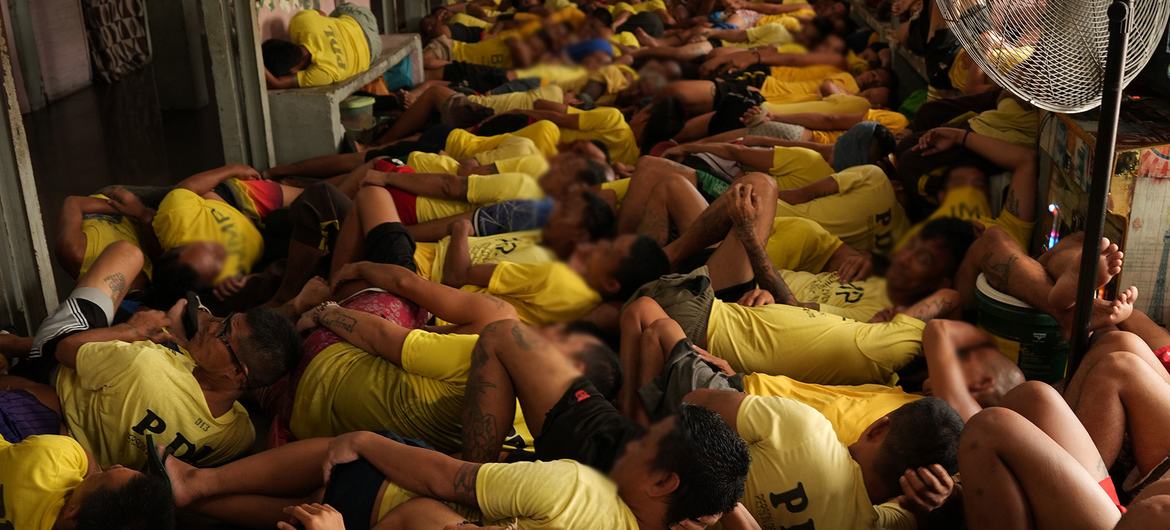
The Rules aim to ensure that all prisoners are treated with respect and dignity and are not discriminated against. The environment in which these prisoners are accommodated is central to this requirement. The Philippines ranks alongside the Democratic Republic of the Congo, Haiti and Uganda in terms of prison congestion with detainees living in chronically overcrowded and cramped facilities.
Moving Toward Meaningful Reform
Recent initiatives show that efforts to reduce prison overcrowding are underway. While these developments offer hope for a more humane correctional system, continued reforms and public support remain essential to ensure lasting change. It would truly help you join our petition and write down your signiture

MANILA, Philippines—The Bureau of Corrections (BuCor) has released a total of 1,239 persons deprived of liberty (PDLs), most of whom have finished serving their prison term, from national penitentiaries in the past month.

MANILA – Chief Justice Alexander Gesmundo on Thursday said the Supreme Court (SC) is studying the possibility of revising rules to allow courts to hear pleas for house arrest, hospital arrest and other modes of preventive detention as part of the ongoing measures to decongest prison and jail facilities.